FIFA targets $4.2bn through sale of World Cup commercial stake
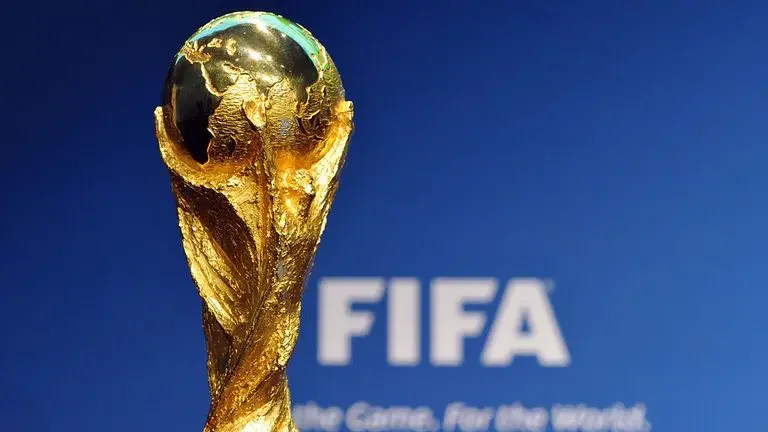
FIFA has announced plans to sell a minority stake in the commercial operations linked to the FIFA World Cup and its other major competitions, marking one of the most significant financial proposals in the governing body’s history.
The project would involve the creation of a new entity called FIFA Forward Enterprise (FFE), with FIFA retaining majority ownership while offering non-controlling stakes to selected long-term investors.
According to FIFA, the organisation hopes to raise $4.2 billion later this year and values the new business at approximately $20 billion.
FIFA says it will keep control of football decisions
FIFA stressed that the proposed transaction relates only to commercial activities and would not affect sporting governance. The governing body said it would maintain exclusive authority over competitions, regulations, the international match calendar and all football-related decisions.
That distinction is central to FIFA’s argument that the plan is designed to strengthen the sport’s financial future without surrendering control of its competitions.
Approval process still outstanding
The proposal has not yet been approved. It must first receive backing from FIFA’s 38-member Council and then obtain support from a majority of the organisation’s 211 member associations.
FIFA said the plan will be presented formally to the Council in the near future.
Potential investors and market interest
Reports in British media indicated that FIFA has begun discussions with financial advisers and potential investors. Names linked with the process include Thrive Capital, founded by Joshua Kushner, and a division of JPMorgan Chase.
FIFA did not confirm specific negotiations but acknowledged that it is seeking investors capable of supporting the long-term commercial growth of its competitions.
UEFA voices strong opposition
The proposal has already generated significant criticism within football governance circles.
UEFA issued a strongly worded statement warning that football’s governing institutions should not treat the game’s core assets as commercial property to be traded. The European body also raised concerns about transparency and potential financial conflicts of interest.
The dispute highlights widening tensions between FIFA and UEFA over the future commercial direction of global football.
Member Associations offered a stake
One of the most striking aspects of the plan is FIFA’s proposal to allow each member association to purchase a one-off $20 million stake in FFE. Although that would represent only a tiny fraction of the company’s total equity, the offer could be financially significant for many smaller football federations.
FIFA said the initiative could help increase total development funding to more than $10 billion over the next four years when combined with existing support programmes.
Questions over future tournament expansion
Analysts believe the creation of FFE could intensify pressure to maximise commercial revenues from FIFA competitions.
That debate is already underway after the successful launch of the expanded 48-team World Cup in 2026. FIFA president Gianni Infantino has also publicly acknowledged discussions about a possible 64-team World Cup in 2030, although no decision has been made.
Critics argue that outside investors could favour larger or more frequent tournaments if such changes increase revenue potential. FIFA has not indicated that the proposed stake sale is linked to any future expansion.
Why the proposal matters
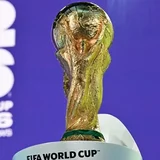
The World Cup is FIFA’s most valuable commercial asset, generating the majority of the organisation’s revenue through broadcasting rights, sponsorships, ticketing and hospitality.
With the 2026 tournament producing record commercial interest, FIFA is attempting to unlock additional capital while retaining operational control. The proposal therefore represents a broader shift toward treating major sports competitions as scalable global entertainment businesses.
FIFA faces several immediate hurdles:
- securing Council approval;
- convincing a majority of member associations;
- finalising the legal structure of FFE;
- identifying acceptable long-term investors;
- and addressing governance concerns raised by UEFA and other critics.
If approved, the transaction would become one of the largest commercial restructurings ever attempted by a global sports governing body and could reshape how football’s biggest tournaments are financed for decades to come.

SportsLigue