
Red cards should not be overturned by political pressure, says ex-FIFA Chief Sepp Blatter
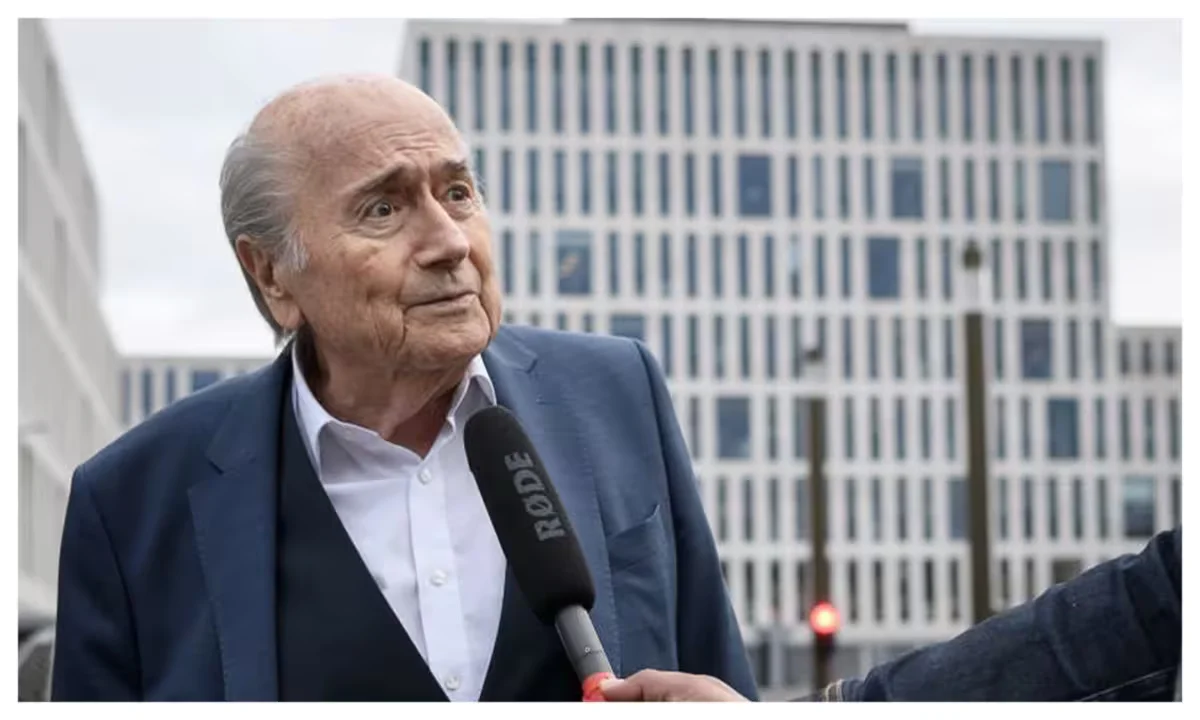
Former FIFA president Sepp Blatter has raised concerns over FIFA's disciplinary independence following the controversy surrounding United States forward Folarin Balogun's overturned World Cup suspension.
Blatter argued that football's governing body must remain free from political influence after comments made by former United States President Donald Trump fuelled debate over the decision that allowed Balogun to return for the USA's knockout-stage clash.
Blatter warns against political influence
Writing on social media, the former FIFA chief said football decisions should always be based on sporting regulations rather than outside influence.
"Red cards are not overturned by political phone calls. They are overturned by rules, evidence and independent bodies."
Blatter added that if political leaders are perceived to influence football governance, the credibility of the sport risks being undermined.
He concluded by warning:
"Football must never become a playground for political power."
Balogun cleared after FIFA review
The controversy began after Balogun received a straight red card during the United States' victory over Bosnia and Herzegovina.
Following a review by FIFA's disciplinary process, the striker's automatic suspension was lifted, making him eligible for the Round of 16 meeting against Belgium.
FIFA's disciplinary code allows its independent judicial bodies to review dismissals where there is evidence that a clear error may have occurred or where exceptional circumstances justify reconsideration.
Trump comments spark debate
Attention intensified after Donald Trump publicly thanked FIFA president Gianni Infantino following the decision that restored Balogun's eligibility.
Although Trump did not explain any direct involvement in the disciplinary review, the timing of his comments prompted speculation among supporters and football observers over whether politics had influenced the process.
FIFA has consistently maintained that disciplinary matters are handled independently by its judicial committees and are not decided by the FIFA president.
FIFA yet to respond
Blatter's intervention has added to wider discussions surrounding transparency and governance during the 2026 FIFA World Cup. The former FIFA president, who led world football's governing body between 1998 and 2015, argued that maintaining public confidence in disciplinary decisions is just as important as making the correct sporting judgement.
As debate continues, neither FIFA nor Gianni Infantino had publicly responded to Blatter's latest remarks at the time of publication.
While the governing body insists its judicial structures operate independently, the Balogun case has reignited calls for greater transparency whenever major disciplinary appeals are resolved during football's biggest competitions.

SportsLigue