
FIFA World Cup 2026 delivers 308 goals, highest average since 1970
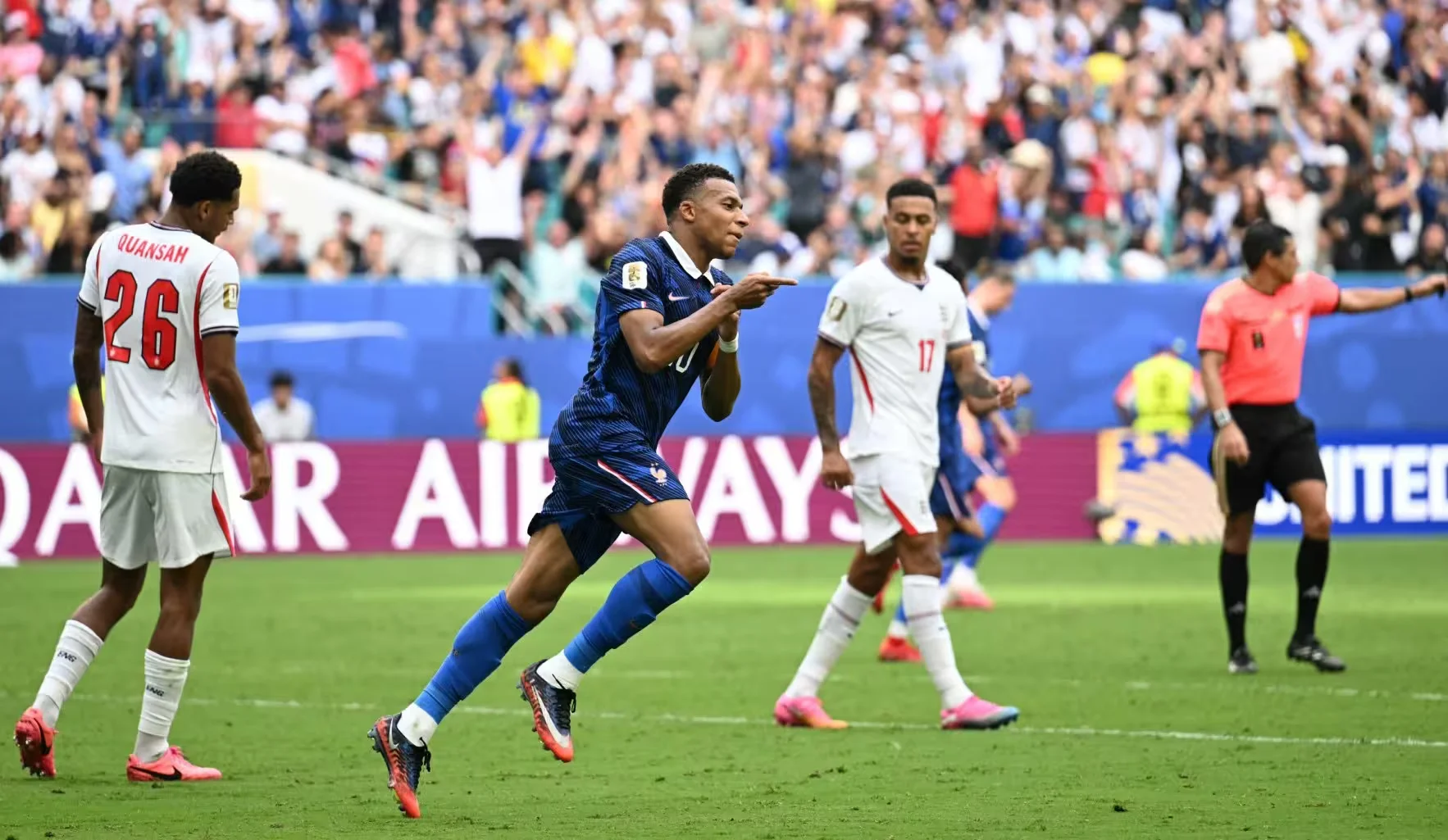
The 2026 FIFA World Cup will be remembered not only for Spain's second world title but also for delivering one of the most attack-minded tournaments the competition has ever witnessed.
Across 104 matches, players combined for 308 goals, establishing a new tournament record while producing an average of 2.96 goals per match, the highest scoring rate since the 1970 World Cup in Mexico.
The expanded 48-team format raised questions before kickoff, but instead of reducing quality, it produced more attacking football, greater tactical variety and an unprecedented number of individual milestones.
Highest Goal Average in more than five decades
The tournament's attacking output surpassed recent editions by a comfortable margin.
Goals-per-game averages:
- 2026 – 2.96
- 2022 – 2.69
- 2018 – 2.64
- 2014 – 2.67
Although Switzerland 1954 still holds the all-time tournament record with 5.38 goals per game, the 2026 edition ranks among the most entertaining World Cups of the modern era.
The increase reflected both improved attacking quality and the willingness of teams to press higher, transition faster and commit more players forward.
Mbappe headlines a historic Golden Boot Race
France captain Kylian Mbappe finished as the tournament's leading scorer with an extraordinary 10 goals.
Top scorers included:
- Kylian Mbappe – 10
- Lionel Messi – 8
- Jude Bellingham – 7
- Erling Haaland – 7
- Ousmane Dembele – 6
- Harry Kane – 6
Mbappe became the first player to win the World Cup Golden Boot at two different tournaments after also topping the scoring charts in Qatar 2022.
Only Just Fontaine (13 goals in 1958) and Sandor Kocsis (11 goals in 1954) have scored more in a single FIFA World Cup.
Mbappe becomes World Cup's Greatest Goalscorer
One of the tournament's defining storylines was the battle between Lionel Messi and Kylian Mbappe for the all-time FIFA World Cup scoring record. Messi arrived needing four goals to surpass Miroslav Klose's long-standing mark.
The Argentine briefly moved into first place after a sensational group stage, but Mbappe ultimately finished with 22 career World Cup goals following another prolific tournament.
The achievement cements the French forward's place among football's greatest performers on the biggest international stage.
Set pieces continue to shape modern football
Dead-ball situations remained one of the tournament's most productive attacking weapons.
Of the 308 goals scored:
- 54 came from set pieces.
- 38 originated from corners, free kicks or long throw-ins.
- 16 were penalties.
Nearly one in every six goals came from a structured restart, highlighting the growing influence of specialist coaching in elite football.
Long-range shooting returns
One noticeable tactical shift throughout the tournament was the increase in goals scored from outside the penalty area. Teams scored 43 long-range goals, including:
- 36 from open play.
- 7 direct free kicks.
That represents almost 15 percent of all goals, a significant increase compared with recent World Cups. With defensive blocks becoming increasingly compact, many teams successfully relied on powerful distance shooting to unlock opponents.
Crossing remains one of football's most effective weapons
Wide attacking play remained another major source of goals. A total of 75 goals resulted from crosses into the penalty area, accounting for almost one quarter of all goals scored during the tournament.
Several decisive knockout-stage moments, including Spain's title-winning goal, came from deliveries into dangerous areas rather than intricate build-up play. The figures reinforce the continued importance of wide players and overlapping full-backs in modern football.
Real Madrid players lead club scoring chart
Among club representatives, Real Madrid players contributed the highest number of World Cup goals.
Their players combined for 22 goals, led by:
- Kylian Mbappe – 10
- Jude Bellingham – 7
- Vinicius Junior – 4
- Arda Guler – 1
Paris Saint-Germain finished second with 15 goals from their players, while Arsenal ranked third with 13. The numbers underline the concentration of elite attacking talent within Europe's biggest clubs.
Premier League dominates global scoring
England's Premier League once again demonstrated its global strength. Players representing Premier League clubs scored 79 goals, accounting for more than one-quarter of the tournament's total output. Top contributing leagues:
- Premier League – 79 goals
- La Liga – 41
- Bundesliga – 25
- Ligue 1 – 23
- Serie A – 22
The figures reflect the league's ability to attract and develop world-class attacking talent across multiple national teams.
Beyond the records, the 2026 FIFA World Cup showcased how football continues to evolve. Higher pressing, quicker transitions, improved finishing and greater tactical flexibility combined to produce one of the most entertaining tournaments in the competition's history.
With 308 goals, multiple individual milestones and unforgettable knockout drama, the tournament established a new benchmark for attacking football on the global stage, and offered an exciting glimpse into the future of the World Cup.

SportsLigue
Related Posts
Spain beat Argentina 1-0 to win FIFA World Cup 2026
July 19, 2026


Top 10 players to watch at the 2026 FIFA World Cup
June 18, 2026