Kentucky Derby 2026: A Full Run‑for‑the‑Roses Guide
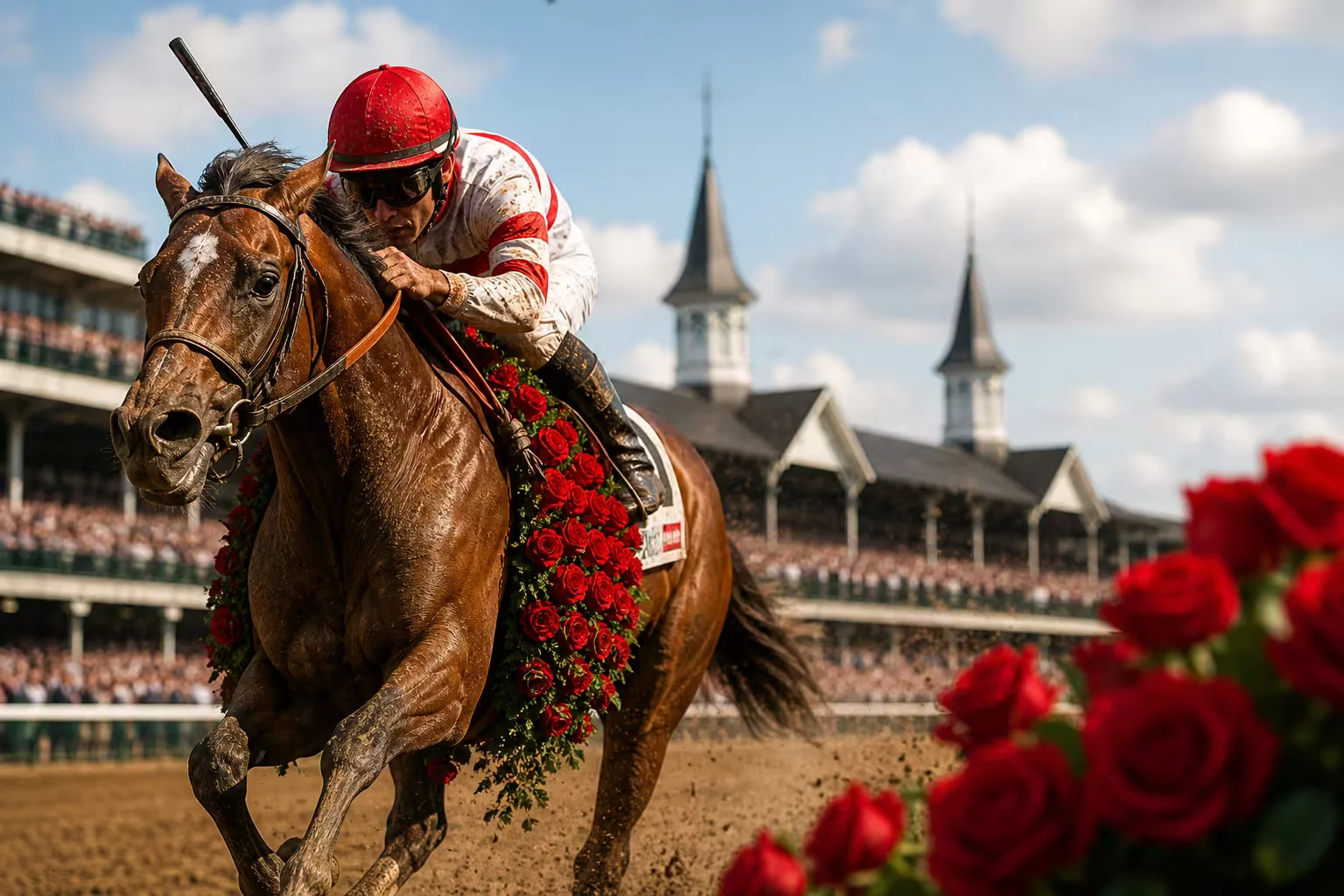
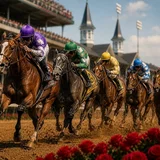
The first Saturday in May always means the same thing: the Kentucky Derby, America’s most famous horse race. The 152nd Kentucky Derby returns on Saturday, May 2, 2026, to Churchill Downs in Louisville, Kentucky, with a 20‑horse field chasing the first leg of the Triple Crown and a $5 million purse, one of the richest days in horse racing.
From the draw to the broadcast, odds, and the race’s special place in the Triple Crown, here is a comprehensive guide to the 2026 Run for the Roses, packed with utility and context for fans and bettors alike.
Key race details
- Date: Saturday, May 2, 2026.
- Location: Churchill Downs, Louisville, Kentucky.
- Post time: 6:57 p.m. ET.
- Coverage: Live pre‑race coverage begins at 12 p.m. ET on Peacock, continues at 2:30 p.m. ET on NBC and Peacock, with the race itself at 6:57 p.m. ET.
The broadcast typically runs from mid‑day through evening, weaving in fashion, features, and undercards before the Derby itself. For viewers outside the U.S., the race is also available via various international sports‑streaming platforms that carry NBC or Peacock‑linked rights.
Race format and field size
The Kentucky Derby is a Grade 1, 1¼‑mile (10‑furlong) race for 3‑year‑old Thoroughbreds, run on dirt at Churchill Downs. The race’s most distinctive feature is its fixed size: exactly 20 horses line up at the starting gate. That cap makes the Derby unique among many other Grade 1 races and adds to the drama of the qualifying process.
How horses qualify
To reach the Derby gate, 3‑year‑olds must compete in the Road to the Kentucky Derby series, a slate of designated races from September through mid‑April.
The top five finishers in each qualifying race earn points, and the 20 horses with the highest point totals, plus any international‑series winners that meet criteria, earn spots in the field.
The system has turned Derby bidding boards, prep races like the Florida Derby and Arkansas Derby, and graded stakes into mini‑spectacles of their own, with each result reshaping the prospective field.
The 2026 field and odds
The 152nd Derby features a competitive mix of favorites, wildcards, and longshots, but one name stands out: Renegade.
Renegade, trained by Todd Pletcher and ridden by Irad Ortiz Jr., drew the No. 1 post and opened at 4‑1 favoritism. The colt arrives with strong form and a pedigree that has made connections serious about his chances.
The full post‑position list is as follows:
- Post 1: Renegade (4‑1)
- Post 2: Albus (30‑1)
- Post 3: Intrepido (50‑1)
- Post 4: Litmus Test (30‑1)
- Post 5: Right to Party (30‑1)
- Post 6: Commandment (6‑1)
- Post 7: Danon Bourbon (20‑1)
- Post 8: So Happy (15‑1)
- Post 9: The Puma (10‑1)
- Post 10: Wonder Dean (30‑1)
- Post 11: Incredibolt (20‑1)
- Post 12: Chief Wallabee (8‑1)
- Post 13: Potente (20‑1)
- Post 14: Emerging Market (15‑1)
- Post 15: Pavlovian (30‑1)
- Post 16: Six Speed (50‑1)
- Post 17: Further Ado (6‑1)
- Post 18: Golden Tempo (30‑1)
- Post 19: Great White (50‑1)
- Post 20: Ocelli (50‑1)
Post‑position strategy matters: Post 5 has historically produced the most winners, with 10 Kentucky Derby winners launching from that gate. By contrast, Renegade’s No. 1 draw is considered a “dreaded” inside spot, which can require a sharp break to avoid traffic without burning unnecessary early energy.
Favorite and betting lines
Renegade’s 4‑1 morning‑line status places him within serious striking distance of a double‑digit price, but still as the clear frontrunner in the market. The presence of multiple horses in the 8‑1 to 15‑1 range, Commandment, Chief Wallabee, So Happy, Emerging Market, and Potente, creates a deeper mid‑tier than many years, which could compress win prices and inflate exotic‑bet payouts.
From a betting perspective, late‑moving “second‑tier” contenders such as The Puma (10‑1) and Chief Wallabee (8‑1) often help form strong exotic bets (quinellas, exactas, trifectas) around the favorite. The longshot group, ranging from 30‑1 to 50‑1 odds, adds both value and volatility, making straight‑horse bets riskier but box‑bet structures more attractive.
Triple Crown context and recent history
The Kentucky Derby is the first leg of horse racing’s Triple Crown, preceded by the Preakness Stakes and finished by the Belmont Stakes. The only horse to complete the sweep in recent memory is Justify in 2018, and the races’ unique spacing in time and distance has kept the feat rare.
Last year’s 2025 Kentucky Derby was won by Sovereignty, trained by Bill Mott and ridden by Junior Alvarado, who triumphed at 7‑1 odds. That result reinforced the race’s reputation for unpredictability, even as marquee favorites like Renegade approach this year’s race.
For the 2026 field, the Derby is only the first step. The Preakness Stakes follows in mid‑May, and the Belmont Stakes in early June, each with its own quirks of distance and surface that can turn a Derby‑day standout into a one‑and‑done story.
Prize money and purse structure
For the third consecutive year, the Kentucky Derby purse totals $5 million, one of the richest in North American racing. The distribution is heavily weighted toward the top finishers:
- Winner: $3.1 million
- Runner‑up: $1 million
- Third place: $500,000
- Fourth: $200,000
- Fifth: $150,000
The winner’s share comfortably surpasses many other Grade 1 purses, helping explain why the Derby attracts such a deep, international field and why winning the race can instantly redefine a horse’s value at stud and in the broader racing ecosystem.
Tags

SportsLigue
Related Posts
Kentucky Derby Winners: Complete All‑Time List
May 2, 2026