What is a Derby in football? Meaning, origin, famous rivalries explained
A derby in football is a match between teams that are geographically close, usually from the same city, region, or nearby area. These games carry extra weight because they are about more than points; they are about pride, identity, and local bragging rights.
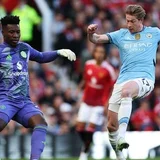
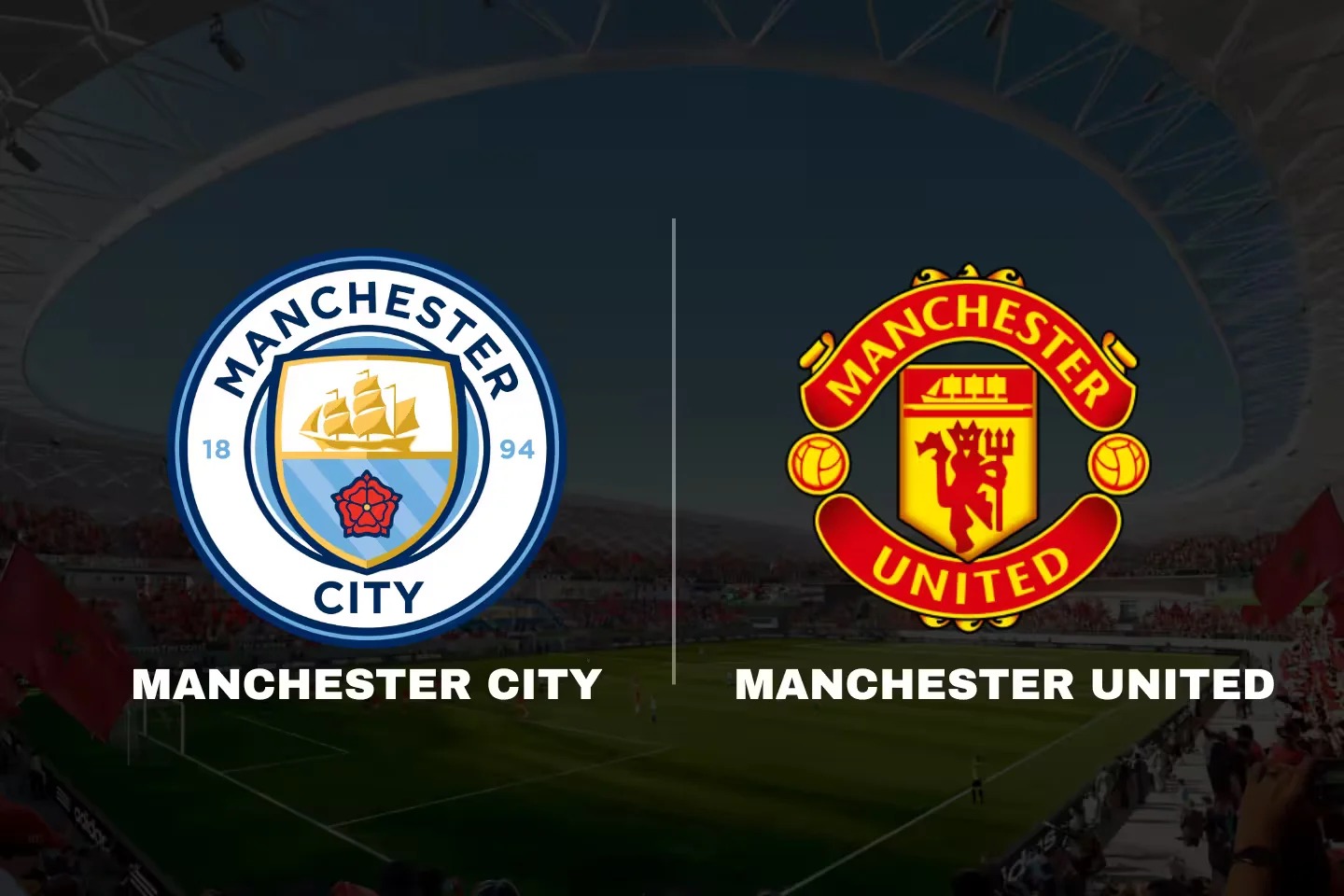
Unlike a general rivalry, which can grow from history, trophies, or repeated high-stakes meetings, a derby is rooted first in location. That is why Manchester United vs Liverpool is a rivalry, while Manchester United vs Manchester City is a derby.
What a derby means
The term “derby” is used across sports, but it is most closely associated with football. It can also apply in rugby, cricket, and basketball when two nearby teams meet in a tense, emotionally charged contest.
The key idea is locality. When two clubs share a city or a surrounding area, the result feels personal to fans, players, and even the wider community. That local connection is what makes the atmosphere louder, the tackles sharper, and the tension higher than in an ordinary fixture.
Where the word came from
The exact origin of the word “derby” is still debated. One widely known theory links it to the Derby horse race founded in 1780 by the 12th Earl of Derby, while another connects it to local football and rugby traditions in Derbyshire and surrounding areas.
There is also a longstanding belief that the phrase “local derby” developed through early British sporting language as newspapers and fans began using it to describe matches between nearby clubs. Over time, the term spread internationally and became the standard way to describe local sports rivalries.
Why derby matches matter
Derbies matter because they are emotional contests with consequences beyond the table. Winning one can lift a season, while losing one can follow a club for months, especially when rival fans are involved.
For supporters, derbies often decide who gets the last word in the city. For players, they are the matches that define reputations, particularly if someone scores a decisive goal or makes a game-saving intervention.
Famous derbies worldwide
Some derbies are so iconic that they have become part of football culture far beyond their home cities. The Old Firm derby in Glasgow between Celtic and Rangers is one of the most famous in Europe, while Argentina’s Superclásico between Boca Juniors and River Plate is known for its fierce atmosphere and huge global audience.
England’s biggest derby fixtures include the Manchester Derby, the North London Derby, and the Merseyside Derby. The Tyne and Wear Derby between Newcastle United and Sunderland is another historic example of a rivalry built on proximity and long-standing regional identity.
Derby vs Rivalry
Not every rivalry is a derby, and that distinction matters. A rivalry can come from repeated title battles, contrasting styles, or political and cultural tension, even when the clubs are far apart geographically.
A derby, by contrast, starts with closeness. The teams are neighbors in the broadest sense, and that geography gives the fixture its meaning before the first whistle even sounds.
Why the term still matters today
In modern football, the word “derby” still carries real value because it signals a game with built-in emotion and audience interest. That makes it useful for readers, search engines, and editors alike, since fans actively look for derby previews, results, history, and key moments.
Tags
Tinu Brown
Related Posts