FIFA World Cup 2030: Six nations to host historic tournament
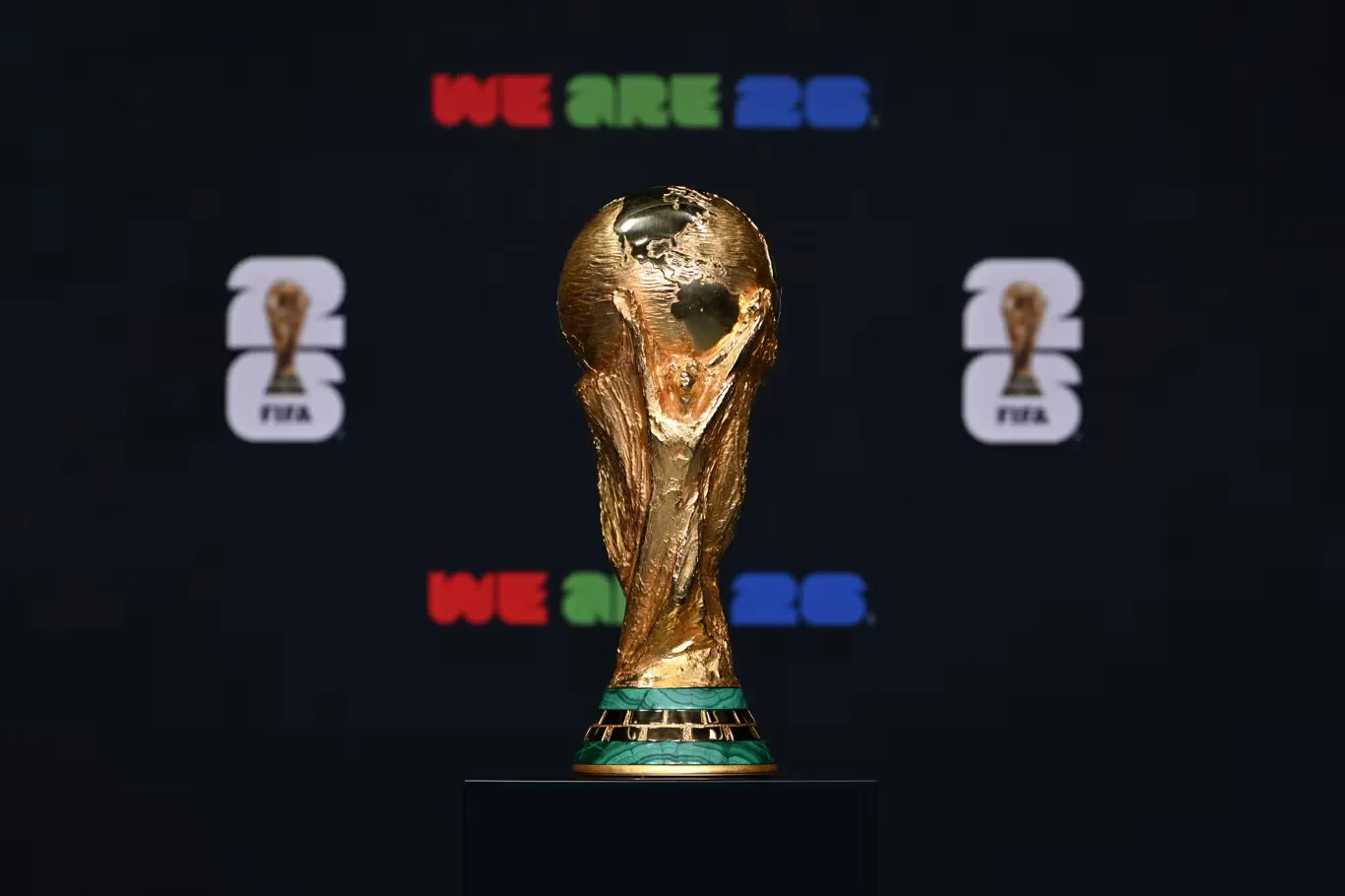
The FIFA World Cup 2030 will become the most geographically ambitious tournament in football history, celebrating 100 years since the inaugural World Cup with matches staged across three continents and six countries.
While Morocco, Portugal and Spain will serve as the tournament's primary hosts, South America will also play a symbolic role as Uruguay, Argentina and Paraguay stage the opening fixtures to commemorate the competition's origins. The landmark edition follows the expanded 48-team FIFA World Cup 2026 and promises another major evolution of the global tournament.
Which countries are hosting the 2030 World Cup?
The main tournament will be hosted jointly by Morocco, Spain and Portugal. To mark the centenary of the first FIFA World Cup, three ceremonial opening matches will also be played in Uruguay, Argentina and Paraguay.
Uruguay hosted and won the inaugural World Cup in 1930, while Argentina finished as runners-up. Paraguay's inclusion recognises its status as home to CONMEBOL, South America's football governing body.
Estadio Centenario returns to the spotlight
One of football's most historic venues will once again feature on the world stage. Montevideo's Estadio Centenario, built specifically for the inaugural 1930 World Cup, is expected to host one of the opening matches, creating a symbolic link between the tournament's first edition and its centenary celebration.
Tournament Dates
The FIFA World Cup 2030 is scheduled to run from:
- Start: June 8, 2030
- Final: July 21, 2030
The competition is expected to last 44 days, making it longer than the 2026 tournament and the longest World Cup ever staged. The commemorative opening matches in South America are expected to take place before the official opening ceremony, with the remainder of the tournament then shifting to Morocco, Spain and Portugal.
Stadiums and host cities
Final venue approvals are expected in late 2026, but current plans include 21 stadiums 18 host cities and six host nations. The distribution of venues will allow supporters to experience football across Europe, Africa and South America during a single tournament.
Will there be 48 or 64 teams?
FIFA has not officially confirmed the tournament format. The most likely scenario is that the 48-team structure introduced in 2026 will remain in place.
However, FIFA President Gianni Infantino has publicly indicated that expanding the tournament to 64 teams is under discussion as part of FIFA's long-term vision to increase global participation.
When will qualification begin?
Qualification schedules will vary across FIFA's six continental confederations. For example: CONCACAF qualification is expected to begin in September 2027. Other confederations are expected to announce their qualification calendars over the coming months.
More than simply another World Cup, the 2030 edition is designed to celebrate a century of football's biggest tournament.
By linking the birthplace of the competition with three modern host nations across Europe and Africa, FIFA hopes to create one of the most inclusive and globally connected sporting events ever staged.
If plans proceed as expected, the 2030 FIFA World Cup will stand as one of the most unique tournaments in football history, combining tradition, innovation and worldwide participation on an unprecedented scale.
Tags

SportsLigue