FIFA unveils new rules ahead of 2026 World Cup
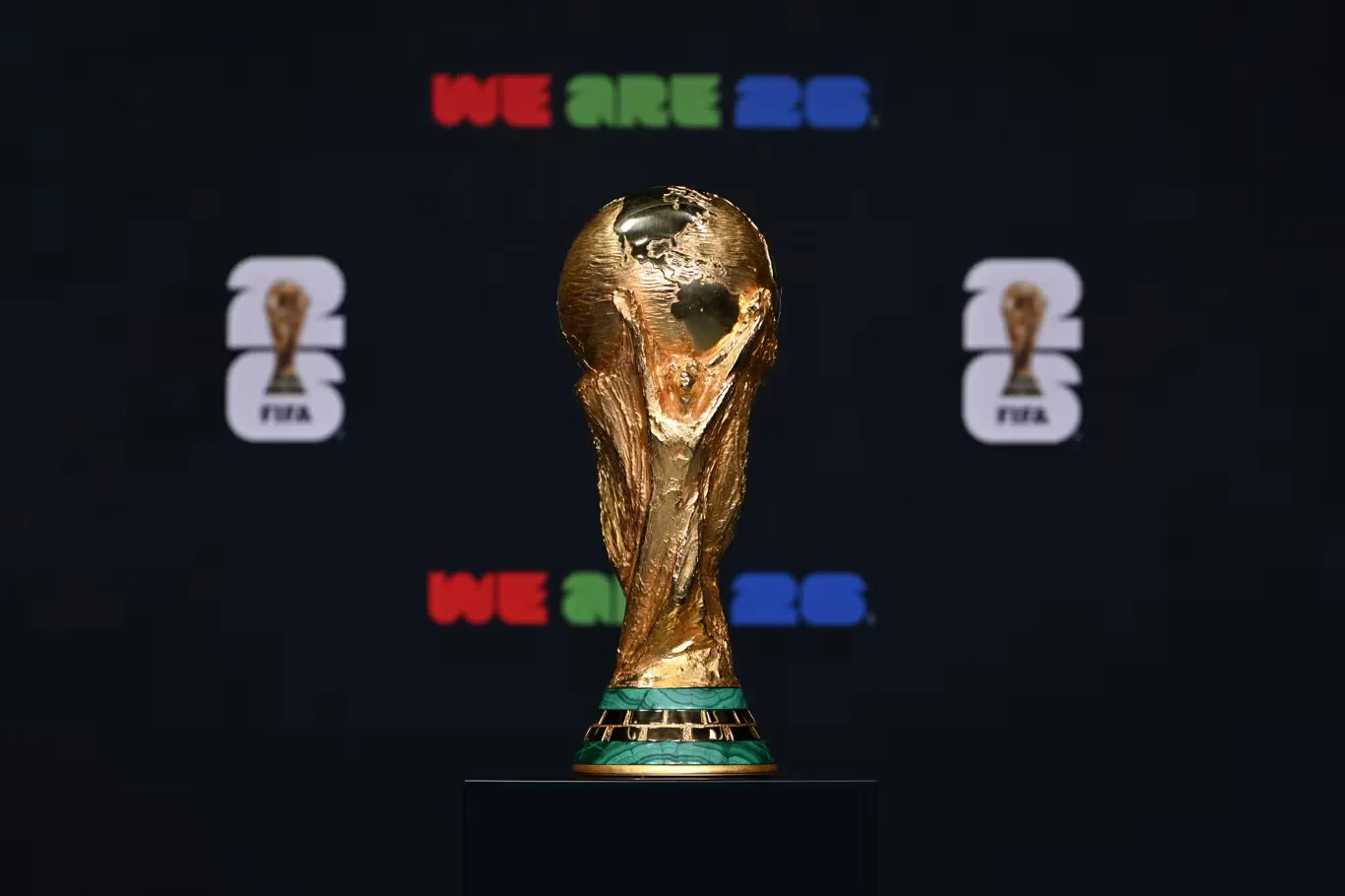
FIFA has confirmed a comprehensive package of football law changes that will be implemented during the 2026 FIFA World Cup, marking one of the most significant updates to the game in recent years.
The new regulations, approved by the International Football Association Board (IFAB), are designed to reduce time-wasting, improve match flow, increase transparency, and enhance the effectiveness of Video Assistant Referee (VAR) interventions.
With the tournament set to be hosted across the United States, Canada, and Mexico, players, coaches, referees, and supporters will witness a number of innovations that could significantly influence the outcome of matches.
1. Throw-In and Goal-Kick Countdown Rule
One of FIFA's biggest priorities is reducing deliberate delays during matches. Referees will now use a visible five-second countdown when players prepare to take throw-ins or goal kicks.
If a throw-in is not taken within the allotted time, possession will be awarded to the opposing team. For goal kicks, excessive delays could result in a corner kick being given to the opposition.
The change is designed to keep matches flowing and discourage teams from running down the clock.
2. New 10-Second Substitution Rule
Players being substituted must leave the field within 10 seconds and use the nearest exit point.
Failure to do so carries a significant consequence: the incoming substitute will be forced to wait until the next stoppage after at least one minute of playing time has passed.
This means teams risk temporarily playing with 10 men if players deliberately delay their exit. FIFA hopes the measure will eliminate one of football's most common time-wasting tactics.
3. Injured Players must stay off the pitch for one minute
Players receiving treatment during a stoppage will now be required to remain off the field for at least one minute after play resumes.
The rule applies to outfield players and is intended to discourage players from exaggerating minor injuries to interrupt momentum.
Exceptions include:
- Goalkeeper injuries
- Serious injuries
- Head injuries and concussion assessments
- Goalkeeper-player collisions
- Specific penalty situations
4. Expanded VAR powers at the 2026 World Cup
Video Assistant Referee technology will have a wider scope of intervention than ever before. Several new situations can now be reviewed.
VAR can review incorrect second yellow cards.
Officials can intervene if a player receives a clearly incorrect second yellow card that leads to a dismissal.
VAR can correct mistaken identity decisions
If the wrong player receives a yellow or red card, VAR will be able to assist referees in correcting the error.
VAR can review incorrect corner-kick decisions
Video officials may intervene if a corner kick has been clearly awarded incorrectly, provided the review occurs before play restarts.
VAR can review fouls before set-piece restarts
One of the most significant updates allows VAR to intervene when attacking fouls occur before corners or free kicks are taken. The change follows several controversial incidents where goals were allowed despite fouls occurring before the ball was put into play.
FIFA Head of Refereeing, Pierluigi Collina, described such situations as "very unfair" and pushed for the rule clarification.
5. Red Cards for mouth-covering confrontations
Players who cover their mouths with a hand, arm or shirt while confronting opponents could now face a straight red card.
The measure was introduced to discourage discriminatory abuse and prevent players from concealing inappropriate comments from officials and cameras.
According to FIFA, transparency and accountability are key objectives behind the change.
6. Red Cards for walk-off protests
FIFA has also introduced stronger sanctions against protests that disrupt matches. Players who leave the field to protest a referee's decision risk being sent off.
Teams that abandon matches in protest could face forfeiture, while coaches and officials encouraging such actions may also be disciplined.
7. Referee body cameras approved
For the first time, competitions may authorize referees to wear body-mounted cameras. The technology is expected to provide additional transparency, educational footage, and enhanced protection for match officials.
Tournament organizers will control how footage is used and distributed.
8. New Equipment Regulations
Players will now be permitted to wear certain items that were previously restricted provided they are:
- Non-dangerous
- Properly covered
- Securely fastened
The update reflects football's evolving approach to player equipment and safety.
9. Clarified Dropped-Ball Procedure
IFAB has also clarified how possession should be awarded following a dropped-ball restart. Referees are now instructed to give the ball to the team most likely to have retained possession had play not been stopped.
The change aims to create fairer outcomes following interruptions.
10. New Penalty Double-Touch Clarification
The Laws of the Game now formally include guidance on accidental double touches by penalty takers. The clarification follows previous IFAB interpretations and ensures greater consistency in decision-making.
11. DOGSO Advantage Rule Change
A player who commits an offence that denies an obvious goal-scoring opportunity (DOGSO) will no longer automatically receive a caution if the referee allows advantage and a goal is subsequently scored.
FIFA believes this creates a fairer balance between punishment and outcome.
12. More Substitutes Allowed in International Friendlies
Senior international friendlies will now permit up to eight substitutions. Teams can also mutually agree to increase that number to eleven. The change gives coaches greater flexibility for player management and squad rotation.
13. Hydration Breaks Confirmed
With matches taking place during the North American summer, FIFA has confirmed hydration breaks may be used. Referees can pause play for up to three minutes in each half, typically around the 22nd minute.
The decision will remain at the discretion of match officials depending on weather conditions.
14. Goalkeepers limited to eight seconds on the ball
Goalkeepers will continue to be restricted to holding the ball for a maximum of eight seconds. Referees will visibly count down the final five seconds.
If the goalkeeper exceeds the limit, the opposing team will be awarded a corner kick. The rule forms part of FIFA's wider campaign against time-wasting.
15. FIFA cracks down on Goalkeeper tactical timeouts
Another major talking point ahead of the World Cup is FIFA's effort to eliminate so-called "goalkeeper tactical timeouts."
The tactic involves goalkeepers remaining on the ground after minor injuries while teammates gather around the technical area to receive instructions from coaches.
Under the new directive, players will no longer be allowed to leave the field for tactical discussions while a goalkeeper is receiving treatment. Instead, they must remain on the pitch until play resumes.
"We will not allow the two teams to go to the benches when a goalkeeper is lying on the ground injured," FIFA refereeing chief Pierluigi Collina said. The measure is designed to prevent unofficial timeouts and preserve the integrity of the game.
- Related News: FIFA unveils Match Officials for 2026 World Cup
The 2026 FIFA World Cup promises to be a landmark tournament both on and off the pitch.
With expanded VAR powers, stricter anti-time-wasting measures, enhanced player conduct regulations and new technological innovations, FIFA hopes the changes will improve fairness, increase effective playing time and deliver a better spectacle for fans worldwide.
The tournament will ultimately serve as football's biggest testing ground for the sport's new era, with the success or failure of these measures likely to influence the future of the Laws of the Game for years to come.

SportsLigue
Related Posts
FIFA unveils Match Officials for 2026 World Cup
April 9, 2026