
FIFA World Cup 2026: New red card rule for mouth‑covering and pitch walkouts
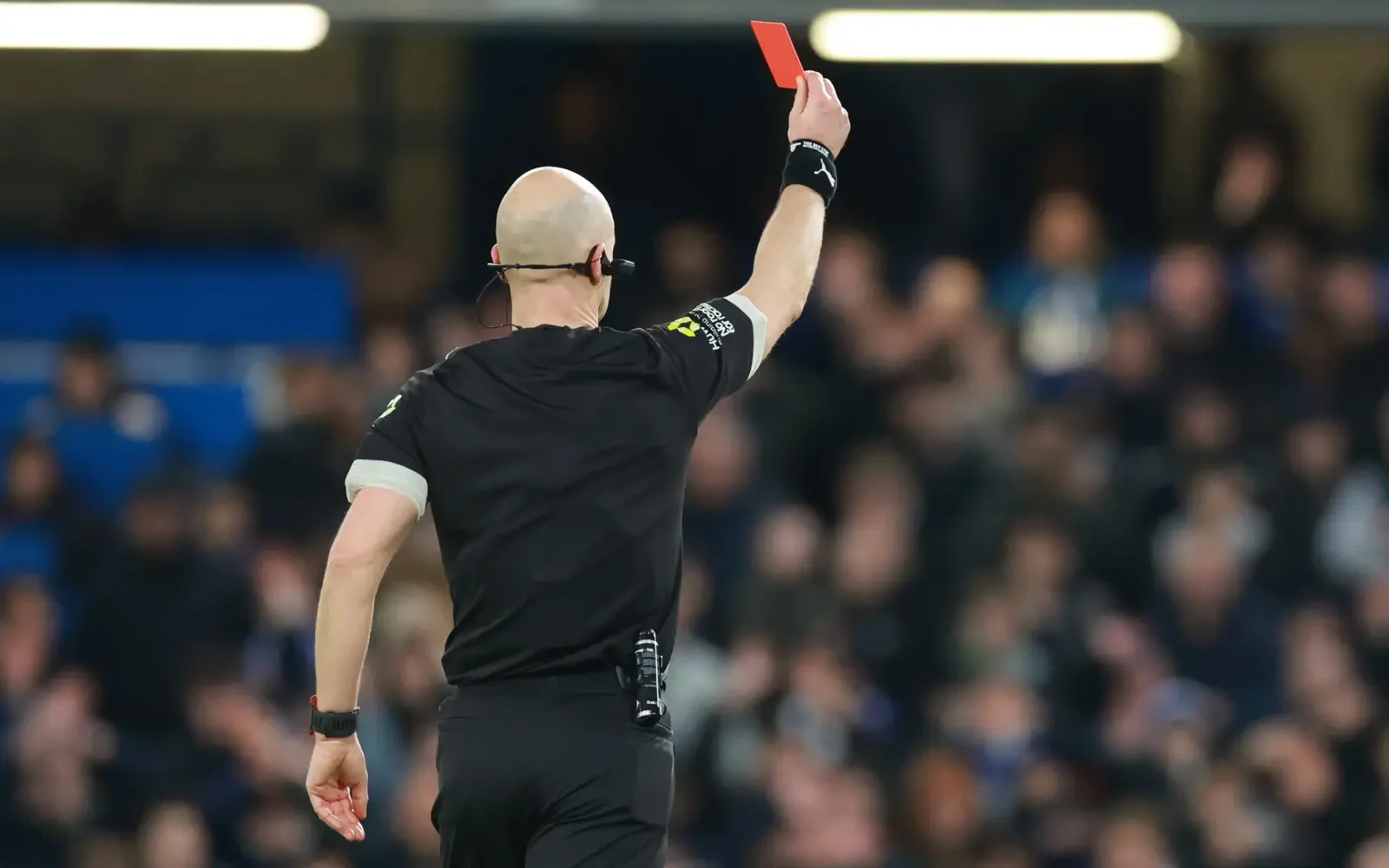
Football’s governing bodies are introducing a strict new enforcement mechanism ahead of the 2026 FIFA World Cup: players who cover their mouths in confrontational situations on the pitch will face the risk of an immediate red card. The International Football Association Board (IFAB) unanimously ratified the change on Tuesday in Vancouver, and FIFA has confirmed the sanction will apply to the World Cup in North America.
The move is designed to crack down on attempts to conceal discriminatory language, such as racist or homophobic insults, by using a jersey, hand, or other object to block the mouth from broadcast cameras or from opponents’ view.
The Vinícius–Prestianni incident
The rule change was directly inspired by an incident in February 2026 between Real Madrid forward Vinícius Júnior and Benfica winger Gianluca Prestianni during a Champions League playoff match in Lisbon.
In the 50th minute, Vinícius scored and celebrated with a dance that angered Benfica fans. Prestianni then approached Vinícius, covering his mouth with his jersey as he spoke. Vinícius walked away visibly upset and immediately reported an alleged racial slur to the referee.
UEFA halted play to trigger its racism protocol, but officials found no conclusive evidence during the match and took no on‑pitch disciplinary action. After the game, Vinícius said he had been racially abused, while Prestianni denied using a racist slur, later telling UEFA officials that he had used a homophobic term instead.
UEFA ultimately punished Prestianni with a six‑game ban for homophobic conduct, separate from the stricter 10‑game suspension that applies to proven racist abuse. The case drew global attention and intensified calls for tougher measures against hidden abusive language.
Why the “mouth‑covering” rule matters
FIFA President Gianni Infantino has been vocal in support of the change. In an interview with Sky News, he argued that if a player goes to the trouble of shielding their mouth while speaking, there should be a strong presumption they are saying something unacceptable.
“If a player covers his mouth and says something, and this has a racist consequence, then he has to be sent off, obviously,” Infantino said. “There must be a presumption that he has said something he shouldn’t have said, otherwise he wouldn’t have had to cover his mouth. If you do not have something to hide, you don’t hide your mouth when you say something. That’s it, as simple as that.”
Under the new IFAB wording, referees can issue a red card when a player “covers their mouth in a confrontational situation with an opponent,” at the discretion of the competition organiser and in line with local disciplinary codes.
New red card for pitch‑walkouts
In the same meeting, IFAB also approved a second World Cup‑aligned change: players who leave the field of play in protest against a referee’s decision may also be shown a red card. This follows high‑profile walkouts at recent tournaments, including in the 2026 Africa Cup of Nations final, when Senegal’s players and staff walked off the pitch in Rabat after a late penalty was awarded to Morocco.
The new rule also applies to team officials who incite players to leave the field. FIFA said that a team whose actions lead to a match being abandoned will forfeit the game, a clear deterrent against orchestrated pitch‑walkouts.
How referees will interpret the rule
One of the challenges lies in interpretation. Not every instance where a player covers their mouth will be intentional or discriminatory; players might shield their mouths as a reflex, for privacy, or to murmur instructions to teammates.
Guidance from IFAB and FIFA stresses that the sanction should apply only when the action is clearly confrontational and part of a dispute with an opponent, referee, or other player. The decision will ultimately lie with the referee and, where available, with video‑assistance review systems.
Impact on players and the sport
For players, the rule sends a strong message: attempts to hide abusive language will no longer be treated as “deniable.” The World Cup stage, watched by billions, will be the first testing ground for this principle.
For clubs and national teams, the change means they must reinforce education around conduct on the pitch, especially in emotionally charged moments. Coaches and federations will need to emphasise that even half‑hidden words can cost a player a red card, a suspension, and a disciplinary record.
On the other hand, some legal and rights‑based groups have raised concerns about the use of “presumption” in the wording, arguing that it could blur the line between speech that is offensive and speech that is found to be discriminatory. FIFA and IFAB have indicated that video evidence and post‑match hearings will still be central to final suspensions.
A larger fight against discrimination
The mouth‑covering and pitch‑walkout rule changes are part of a wider push to make the 2026 World Cup more vigilant against racism, homophobia, and other forms of abuse. The Prestianni case and the Senegal pitch‑walkout were only the most visible triggers; leagues and confederations have long complained that discriminatory abuse is often spoken just out of camera view.
By making it costly to hide what you say from opponents and cameras, football’s lawmakers hope to make the game more accountable—and more protective of players like Vinícius who have been forced to bear the brunt of verbal abuse
Tags

SportsLigue
Related Posts
FIFA unveils Match Officials for 2026 World Cup
April 9, 2026
FIFA introduces new premium World Cup 2026 tickets
April 9, 2026
Which football stars will miss FIFA World Cup 2026?
April 2, 2026
FIFA unveils $60 World Cup Tickets after fan backlash
December 17, 2025