Fairness and Respect: Fighting Racism and Abuse in Sport
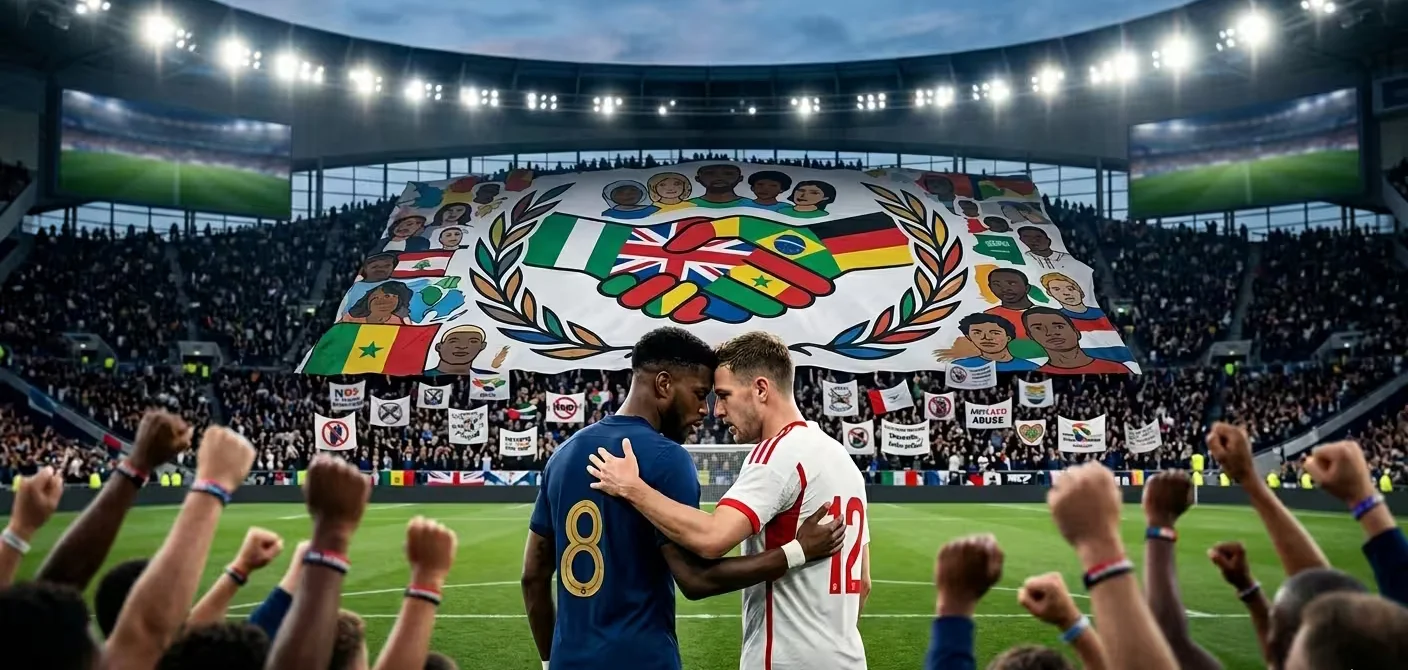
Sport should be a unifying force, but racism, sexism, and abuse remain widespread. The 2024/25 Kick It Out report recorded a 5% increase in discriminatory incidents in English football compared to the previous season.
Players like Vinícius Júnior have become symbols of resistance against racism in La Liga, while campaigns like UEFA’s Respect continue to raise awareness. This article explores how clubs, leagues, and governments are addressing, and sometimes failing to address, discrimination, and why respect remains a cornerstone of sporting culture.
Sport’s Paradox: Unity vs Division
One of the great promises of sport is its ability to bring people together across race, class, gender, and nationality. Whether it’s a local grassroots game or the Champions League final, fans gather around a shared passion that transcends differences. But the darker reality is that sport often mirrors the divisions of society. Abuse from the stands, racist trolling online, and gender-based harassment continue to undermine the values of fairness and respect.
In England, the 2024/25 Kick It Out report shows a 5% rise in reports of discriminatory language and behaviour compared with the 2023/24 season. While that’s smaller than the much larger year-on-year leaps in earlier seasons, it still signals that discrimination remains deeply embedded.
The Human Cost of Racism and Abuse
Athletes on the receiving end of hate often describe the toll as far heavier than just a bad day on the pitch. Real Madrid’s Vinícius Júnior, who has faced repeated racist chants in La Liga, has spoken about how it affects not just his career but his sense of belonging in football.
Similarly, Black players in the Premier League, from Marcus Rashford to Bukayo Saka, have been targeted after missing penalties or underperforming, revealing how quickly admiration turns to abuse.
This isn’t just about isolated insults. Prolonged exposure to racism and abuse impacts athletes’ mental health, confidence, and overall welfare. Some players have even considered retiring early rather than continuing to endure it.
What Leagues and Clubs are doing
There are efforts underway to fight back, though progress remains uneven:
- UEFA’s Respect Campaign has been running since 2008, promoting inclusion and respect at all levels of football. While the branding is strong, enforcement often lags behind. Critics argue that fines against clubs for racist behaviour are too small to be real deterrents.
- The Premier League and English FA have toughened sanctions, with stadium bans for fans caught abusing players and legal action against offenders. Clubs are also investing in education programs for both players and supporters.
- La Liga has been under intense scrutiny after repeated failures to stop racist abuse, with Vinícius Júnior himself publicly calling the league out for inaction. Following global backlash, La Liga and the Spanish government announced new initiatives to strengthen sanctions, though players remain sceptical.
- Grassroots initiatives like “Show Racism the Red Card” and “Kick It Out” are vital in education, targeting schools and communities to shift attitudes early.
Where the System Falls Short
While these measures are important, there are gaps. Fines often amount to pocket change for clubs generating hundreds of millions in revenue. Banning a few fans doesn’t fix the systemic issue of prejudice embedded in some supporter cultures. Governments and sporting bodies frequently make statements of solidarity without the political will to enforce tougher laws.
Moreover, online abuse remains largely unchecked. Despite partnerships between social media companies and leagues, players still face torrents of racist or sexist abuse after high-profile games. Stronger digital accountability is urgently needed.
Beyond Football: A Wider Sporting Issue
Although football is the most visible battleground, other sports face similar challenges:
- Tennis: Serena Williams and Naomi Osaka have both endured racist and sexist commentary from fans and media.
- Cricket: England’s cricket faced scandal after Azeem Rafiq’s revelations about systemic racism at Yorkshire County Cricket Club.
- NBA: Players like LeBron James have repeatedly called out racist abuse and demanded broader societal change.
This shows the issue is not confined to one league or country but is woven into the fabric of global sport.
Why Respect Matters
Fairness and respect are not abstract ideals; they are the bedrock of competition. Without them, the values that make sport powerful crumble. Fans lose faith, athletes suffer, and younger generations grow up believing exclusion and abuse are normal.
Respect ensures that when players step onto the field, their performance is judged on merit, not skin colour, gender, or background. It reminds fans that passion for sport should never spill over into hatred.
The Way Forward
To truly embed fairness and respect, several actions are needed:
- Harsher penalties for clubs and fans involved in abuse, including point deductions and longer bans.
- Greater accountability from social media platforms, making online anonymity less of a shield for abusers.
- Education programmes in schools and communities to break cycles of prejudice.
- Player support systems, including mental health resources and safe reporting channels.
- Continued advocacy by athletes, using their platforms to spotlight issues and push for change.
Conclusion
Sport has the power to unite, but only if fairness and respect are protected at every level. Racism, sexism, and abuse are not side-issues, they strike at the heart of what makes sport meaningful.
The fight against discrimination is ongoing, and progress has been made, but the journey is far from over. Respect must remain more than a campaign slogan; it must be lived, enforced, and demanded by everyone who loves the game.
Tinu Brown
Related Posts

Athlete Welfare: Why protecting players matters more than ever
September 1, 2025

How Climate Change is reshaping the World of Sport
August 24, 2025
Why do most female players get shorter contract periods?
August 26, 2025